← Players
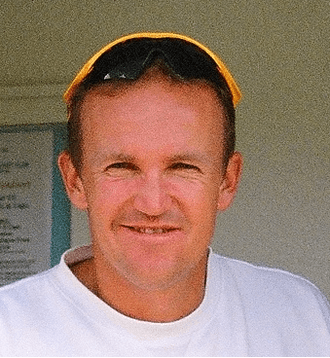
Andy Flower

Andy Flower

Zimbabwe·Batsman

Zimbabwe's greatest batsman who wore a black armband during the 2003 World Cup to protest against the Mugabe regime, effectively ending his international career.

5 incidents documented

Controversies & Incidents

🔥Serious

England's Refusal to Play in Zimbabwe — 2003 World Cup

England vs Zimbabwe (forfeited)

13 February 2003

England refused to play their 2003 World Cup group match in Harare, Zimbabwe, citing security and political concerns related to the Mugabe regime, forfeiting crucial points that contributed to their early elimination.

#england#zimbabwe#boycott
🔥Explosive

Andy Flower and Henry Olonga's Black Armband Protest at 2003 World Cup

Zimbabwe

10 February 2003

Zimbabwe players Andy Flower and Henry Olonga wore black armbands during the 2003 World Cup to mourn 'the death of democracy' in Zimbabwe, in a courageous protest against Robert Mugabe's regime.

#zimbabwe#andy flower#henry olonga
😂Mild

David Lloyd's 'We Flippin' Murdered Em' — Bulawayo Test, 1996

Zimbabwe vs England

1996-12-22

The first Test between Zimbabwe and England at Bulawayo in December 1996 ended in a draw with the scores level — the first ever in Test history. Coach David 'Bumble' Lloyd, frustrated by Zimbabwe's defensive tactics, told a press conference 'we flippin' murdered em'. He was reprimanded by the ECB.

#david-lloyd#england#zimbabwe
Mild

Rohan Kanhai — The Most Exciting Batsman in the World, England Tour 1963

West Indies vs England

1963-07-01

Rohan Kanhai of British Guiana was, on the 1963 England tour, the most exciting batsman in the world — a right-hander capable of playing every shot in the manual and several that were not, including his famous falling sweep that he played while sitting on the ground having lost his footing. On the 1963 tour he scored 497 runs in five Tests at 49.70, including a dazzling 77 at Headingley and 92 at The Oval.

#rohan-kanhai#west-indies#1963
🔥Serious

The Nottinghamshire Players' Strike of 1881

Nottinghamshire CCC v Captain Henry Holden (committee)

1881-06-01

In the summer of 1881 seven of Nottinghamshire's leading professionals — Alfred Shaw, Arthur Shrewsbury, Fred Morley, John Selby, William Barnes, Wilfrid Flowers and (briefly) Mordecai Sherwin — refused to play for the county after a dispute with the secretary, Captain Henry Holden, over fixtures, pay and the right to a guaranteed benefit. The strike crippled Notts' season, was the first major industrial action in English cricket, and laid the groundwork for the formal employment contracts that professionals would gradually win across the next two decades.

#nottinghamshire#strike#professionals